Lake Tinaroo: Things to Do, Night Canoeing and Getting There
TL;DR: Lake Tinaroo is a large reservoir on the Barron River, up on the Atherton Tablelands about 1 hour 15 minutes’ drive from Cairns. People come to swim, paddle, fish for barramundi and explore the Danbulla Forest Drive, which passes the 500-year-old Cathedral Fig Tree. After dark, guided night paddles offer a different way to experience the lake and spot nocturnal wildlife.
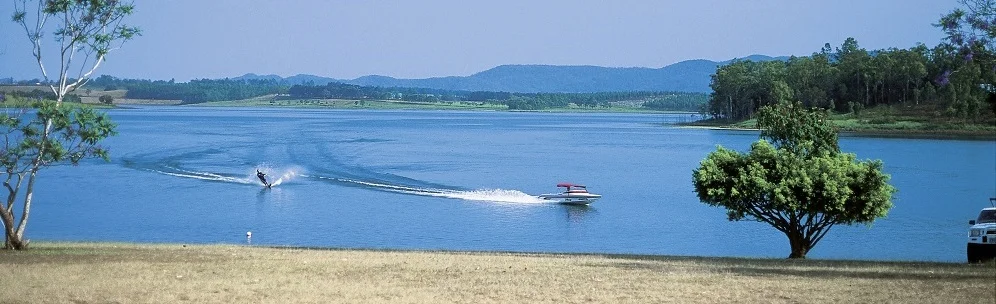
Most people only ever see Lake Tinaroo in daylight. Sparkling water, boats zipping about, families picnicking on the shore. Lovely, but you’re missing a different side of the lake.
After dark, the water goes quiet. The forest around the shore starts to rustle, frogs take over the soundtrack, and the stars come out. Here’s what to know about Lake Tinaroo, from daytime activities to night canoeing.
What Is Night Canoeing on Lake Tinaroo Like?
Peaceful, a little bit spooky and a whole lot of fun.
Guided night paddles head out after sunset. You glide along the lake with only the sound of your paddle and the rainforest around you, while a guide uses a spotlight to look for nocturnal wildlife. Then you look up. Away from the city lights, the night sky over the Tablelands can be spectacular.
What might you see? Possums, frogs, birds and other nocturnal wildlife are among the possibilities. You won’t know exactly what you’ll spot before you head out, which is part of the fun.
What should you wear?
The Tablelands are cooler than Cairns, and evenings on the water can feel chilly, particularly during the cooler months. Bring a warm layer and a rain jacket, and wear clothes and shoes that you don’t mind getting a little wet. Insect repellent is also worth packing.
How Did Lake Tinaroo Form?
Here’s a fun fact: Lake Tinaroo isn’t a natural lake. It was created when Tinaroo Falls Dam was built across the Barron River, with construction completed in 1958.
When the dam filled, the former township of Kulara was submerged. The town had been dismantled before the reservoir was filled, and some remnants can still appear when water levels are low.
The dam was built to secure water for the Mareeba-Dimbulah irrigation scheme, which still supplies farms across the region today. When full, Lake Tinaroo covers about 3,500 hectares and reaches almost 42 metres at its deepest.
What Is There to Do at Lake Tinaroo?
Plenty. Here are the highlights.
Swimming, paddling and boating
You can swim, paddle and boat on Lake Tinaroo, with kayaking, canoeing, stand-up paddleboarding, sailing and water skiing all available. Local operators also hire out kayaks, canoes, SUPs and small boats.
Fishing
Fishing is another big drawcard. Lake Tinaroo is stocked with barramundi and sooty grunter, and it’s known for producing some seriously large barra. If you’re 18 or over, you’ll need a Stocked Impoundment Permit before fishing.
Red claw, a freshwater crayfish, are also caught in the lake.
The Danbulla Forest Drive and the Cathedral Fig
For a scenic drive, follow the Danbulla Forest Drive through Danbulla National Park and State Forest, with camping areas, lookouts and short walks along the way. The road is largely unsealed, so check conditions before you set off.
One of the highlights is the Cathedral Fig Tree. Estimated to be about 500 years old, this enormous strangler fig has a huge root system and makes a memorable stop. There’s a short 300-metre return walk from the road.
Crater lakes and walks
Lake Euramoo, nearby, is a small volcanic crater lake with a 500-metre circuit that takes about 10 minutes. Mobo Creek Crater has a 630-metre circuit through upland rainforest. Up for something longer? The Jungaljungal walk is an 8.2-kilometre circuit and takes about three and a half hours.
Lake Eacham, a short drive south near Yungaburra, is another beautiful volcanic crater lake and a popular swimming spot. You may also spot a platypus around the lake, although there’s no guarantee.
Lake Tinaroo camping
There are six camping areas in Danbulla National Park and State Forest: Platypus, Downfall Creek, Kauri Creek, School Point, Fong-On Bay and Curri Curri. Most are accessible by vehicle, while Curri Curri is boat access only. Camping needs to be booked in advance through Queensland Parks.
Then it’s just you, the stars and a cuppa by the water in the morning.
Is It Safe to Swim in Lake Tinaroo?
Swimming is permitted at Lake Tinaroo, but like any large dam, there are hazards to be aware of. Sunwater warns visitors to follow signs, watch for submerged trees and other objects, and stay at least 200 metres from the dam wall. Water conditions can also change after heavy rain or dam releases.
Because you’re in Far North Queensland, it’s also sensible to follow current Crocwise advice and check local warnings before entering the water. Conditions and advice can change, so check the latest signs and alerts when you arrive.
If you’re joining a guided night paddle, follow the operator’s safety instructions and stay with the group.
What’s the Tinaroo Weather Like?
Cooler than the coast. Days are generally mild to warm, while winter nights can feel surprisingly chilly. The wet season typically runs from December to April, bringing more rain, while the drier months are generally better for outdoor activities.
Weather can change quickly on the Tablelands, so check the Bureau of Meteorology forecast for the area before you go, particularly if you’re planning to camp or take the Danbulla Forest Drive.
How Do You Get to Lake Tinaroo?
From Cairns, Lake Tinaroo is about 70km away, roughly 1 hour 15 minutes by car. You can drive up the Gillies Range Road via Gordonvale, or travel through Kuranda and Mareeba.
The Gillies Range has plenty of bends, so take it easy if you’re prone to carsickness. A light brekkie beforehand probably isn’t a bad idea either.
From the Daintree, allow around 2 to 2.5 hours, heading inland via Mossman and Mount Molloy.
The main towns near the lake are Yungaburra and Tinaroo, with the dam itself about 14km north-east of Atherton.
Before You Go
We reckon Lake Tinaroo is worth a slow day, whether you’re swimming, fishing or simply watching the light change over the water. And if you’d love to see it after dark, our 2 Day Cape Tribulation and Atherton Tablelands Tour includes a night canoe on the lake, along with the Tablelands’ waterfalls and the Daintree. Happy paddling!
Frequently Asked Questions
Yes, swimming is permitted and popular. As with any dam, follow the signs and local safety advice, watch for submerged hazards and stay away from the dam wall.
Lake Tinaroo is in Far North Queensland, so it’s sensible to follow current Crocwise advice and check local warnings before entering the water. Conditions and wildlife sightings can change, so follow signs and advice at the lake.
It’s about 70km from Cairns, or roughly 1 hour 15 minutes by car. You can reach it via the Gillies Range Road or through Kuranda and Mareeba.
Swimming, kayaking, paddleboarding, boating, water skiing, barramundi fishing, camping, the Danbulla Forest Drive, the Cathedral Fig Tree and several rainforest walks.
Yes. Guided night canoe and paddle tours operate on Lake Tinaroo, giving you a chance to look for nocturnal wildlife and experience the lake after dark. A guided night paddle is a lovely, peaceful way to see the lake’s nocturnal side.
Other Tips & Articles