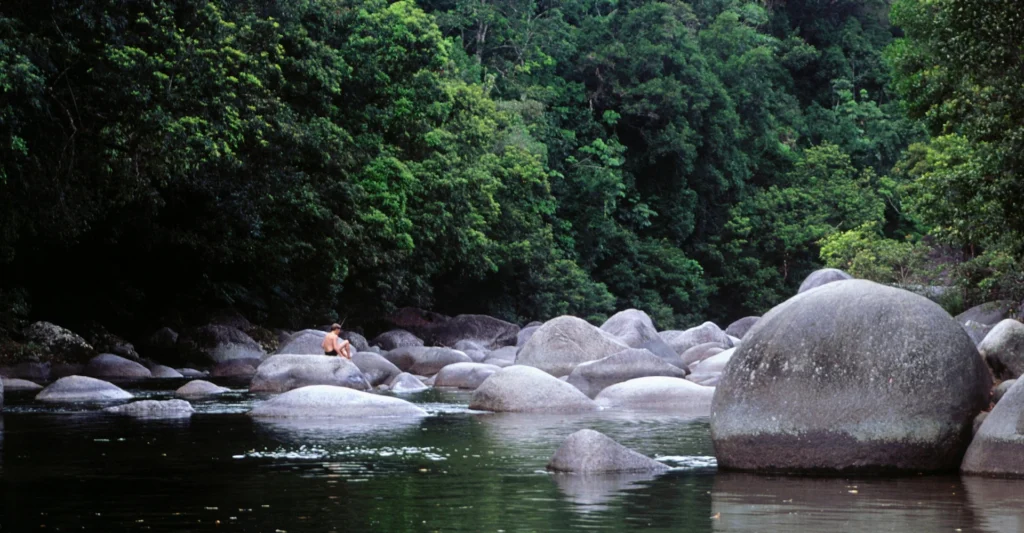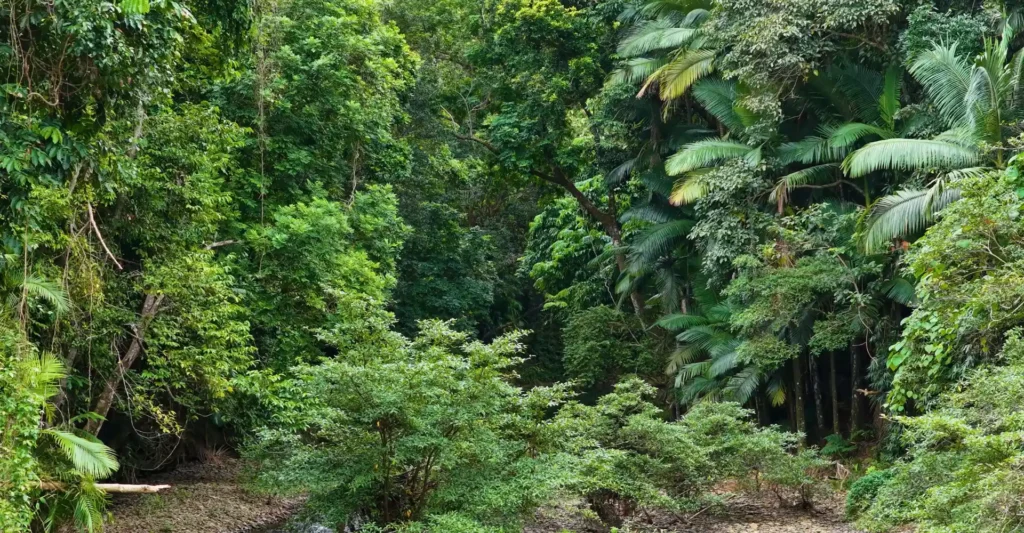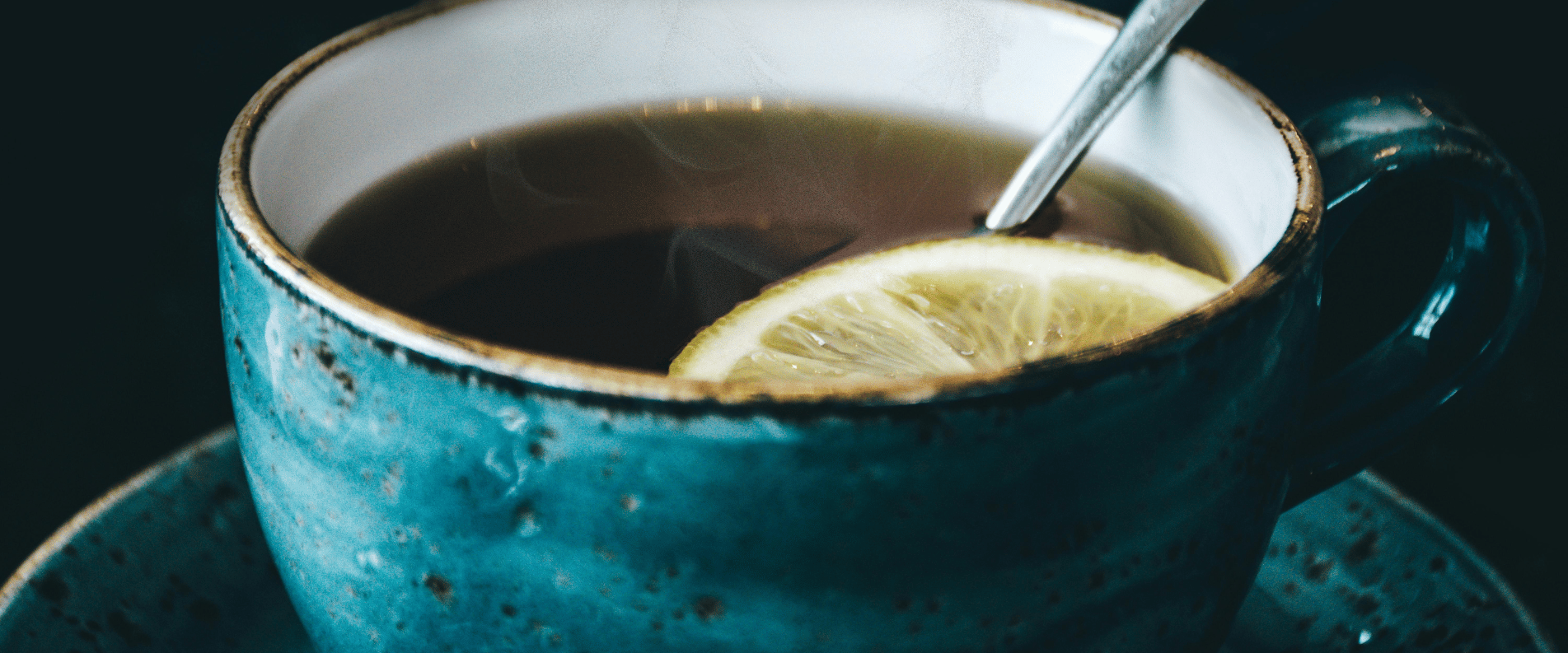
Most people heading north to the Daintree are thinking about crocodiles and cassowaries. Tea doesn’t usually make the list. But tucked inside one of the world’s oldest tropical rainforests is Australia’s only commercial tea plantation, and it’s been quietly producing black tea since 1978.
Here’s what Daintree Tea is, how it’s made, and where you can find it.
The History of Daintree Tea
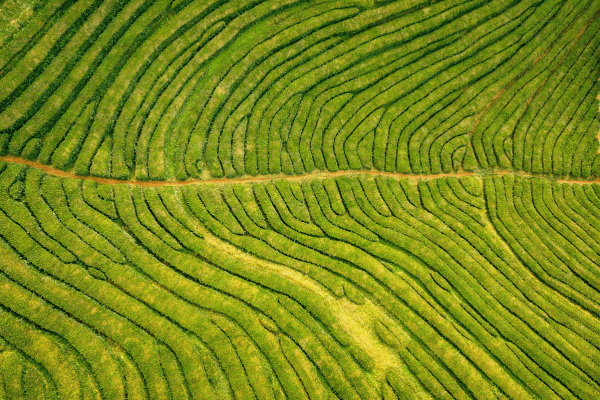
The Nicholas family drove up from Victoria in the early 1970s with a question nobody had tried to answer: could quality tea grow in the Daintree?
It could. The family found nutrient-dense volcanic soils, tropical heat, and rainfall that mirrored the world’s established tea-growing regions. They set up the plantation in 1978 and have been running it ever since. Before them, no one had grown commercial tea in this part of Australia.
What Kind of Tea Is It?
White, green, oolong, and black tea all come from the same plant, Camellia sinensis. Processing is what separates them. White tea is barely touched after picking. Green tea is heated quickly to stop oxidisation. Oolong sits somewhere in between. Black tea is fully oxidised, which gives it its dark colour, stronger flavour, and longer shelf life.
Daintree Tea produces black tea.
Why the Daintree Is Ideal for Tea
The growing conditions at the plantation are exceptional. The land sits on granite alluvial red soils, receives close to 4,000mm of rainfall each year, and experiences average temperatures between 25 and 35 degrees Celsius.
Those numbers mirror the great tea-growing regions of India, China, and Sri Lanka. But the specific soil composition and tropical humidity of the Daintree create a flavour profile you won’t find anywhere else in Australia. The red soils drain well enough to prevent waterlogging while keeping the roots consistently fed through the wet season.
How Tea Is Grown and Harvested
Tea plants are pruned throughout the year to encourage new leaf growth. More new growth means a better yield at harvest.
When it’s time to pick, only the top two leaves and the stem of each bush are taken. This is called the flush, and it’s the freshest part of the plant. It also has to be done entirely by hand. Commercial harvesting machinery bruises the delicate leaves and degrades the final quality.
Daintree Tea harvests approximately every two weeks. Once picked, leaves go into processing within 24 hours.
How the Tea Is Processed
All four types of tea start from the same leaf. What separates them is what happens after picking.
For black tea, the steps are withering (moisture is removed), rolling (breaking down the cell structure), oxidising (creating the dark colour and stronger flavour), and drying (which stops the oxidisation). Daintree Tea processes everything on-site. Getting from farm to pack within 24 hours keeps the flavour fresh and prevents unwanted oxidisation before packaging.
What Daintree Tea Tastes Like

Medium-bodied, smooth, and less bitter than most commercial black teas. It works with or without milk.
Given the climate up here, it’s also worth trying as iced tea. A glass over ice on a 35-degree afternoon in the Daintree is a very different experience from a hot mug, but both are good.
Where to Buy Daintree Tea
You can find Daintree Tea at Woolworths and Coles nationally, or order directly from the Daintree Tea website.
If you’re visiting the region, there’s a sales stall at the entrance to the plantation. It’s not a full visitor experience, just a place to pick up a box before you leave. It makes a good souvenir, particularly if you’ve spent the day walking in the rainforest.

First Sip, Then Rainforest
A box of Daintree Tea and a walk along the rainforest boardwalks is a solid way to start any trip to Far North Queensland. The tea gives you a taste of the place before you’ve stepped under the canopy.
See our Daintree rainforest tours for what’s available.
Frequently Asked Questions
What does Daintree Tea taste like?
Daintree Tea is medium-bodied and smooth, with less bitterness than most commercial black teas. It works well with or without milk and is also good as iced tea.
Where can I buy Daintree Tea?
Daintree Tea is available at Woolworths, Coles, and online through the Daintree Tea website. There’s also a sales stall at the plantation entrance if you’re visiting in person.
Is Daintree Tea available at Woolworths?
Yes. Daintree Tea is stocked nationally at Woolworths and Coles.
Who started the Daintree Tea plantation?
The Nicholas family from Victoria established the plantation in 1978 after testing whether commercial tea could be grown in the Daintree rainforest.
Can you visit the Daintree Tea plantation?
There’s a sales stall at the plantation entrance where you can buy tea directly. It’s not a structured tour or visitor experience, but worth stopping in if you’re passing through.
What type of tea is Daintree Tea?
Daintree Tea produces black tea, made from Camellia sinensis leaves that are withered, rolled, oxidised, and dried on-site.
Is Daintree Tea pesticide-free?
Yes. Daintree Tea is pesticide-free.
How is Daintree Tea different from imported Australian teas?
Most teas sold in Australia are imported. Daintree Tea is grown entirely in Australia, in the tropical rainforest environment of Far North Queensland. The plantation’s red soils, high rainfall, and tropical climate produce a flavour profile that can’t be replicated by imported varieties.
Other Tips & Articles